

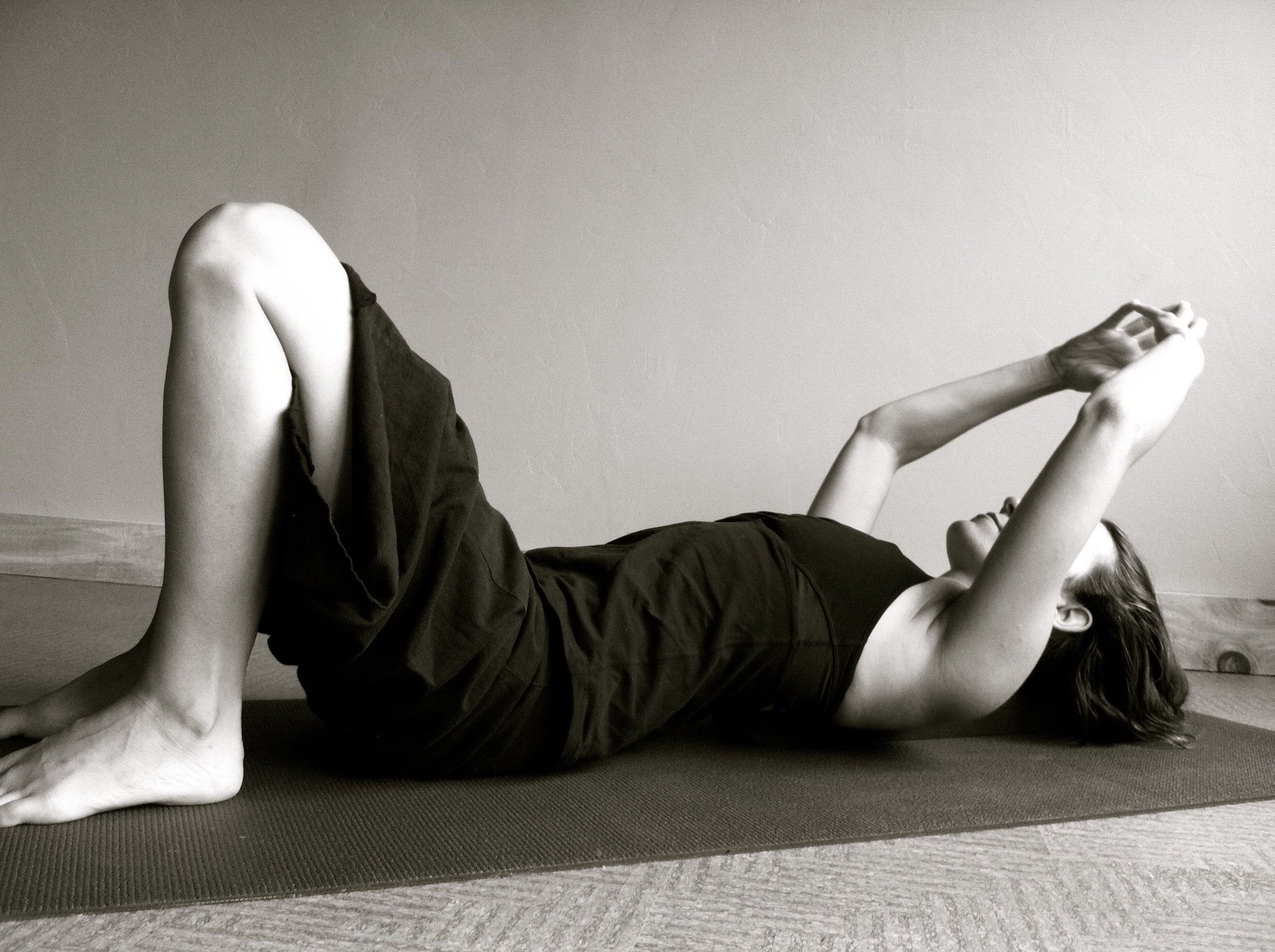
Somatic Bodywork, Therapeutic Movement & Sleep Support
Get to know the inner landscape of your body and discover a freer, more calm, comfortable and easeful you.

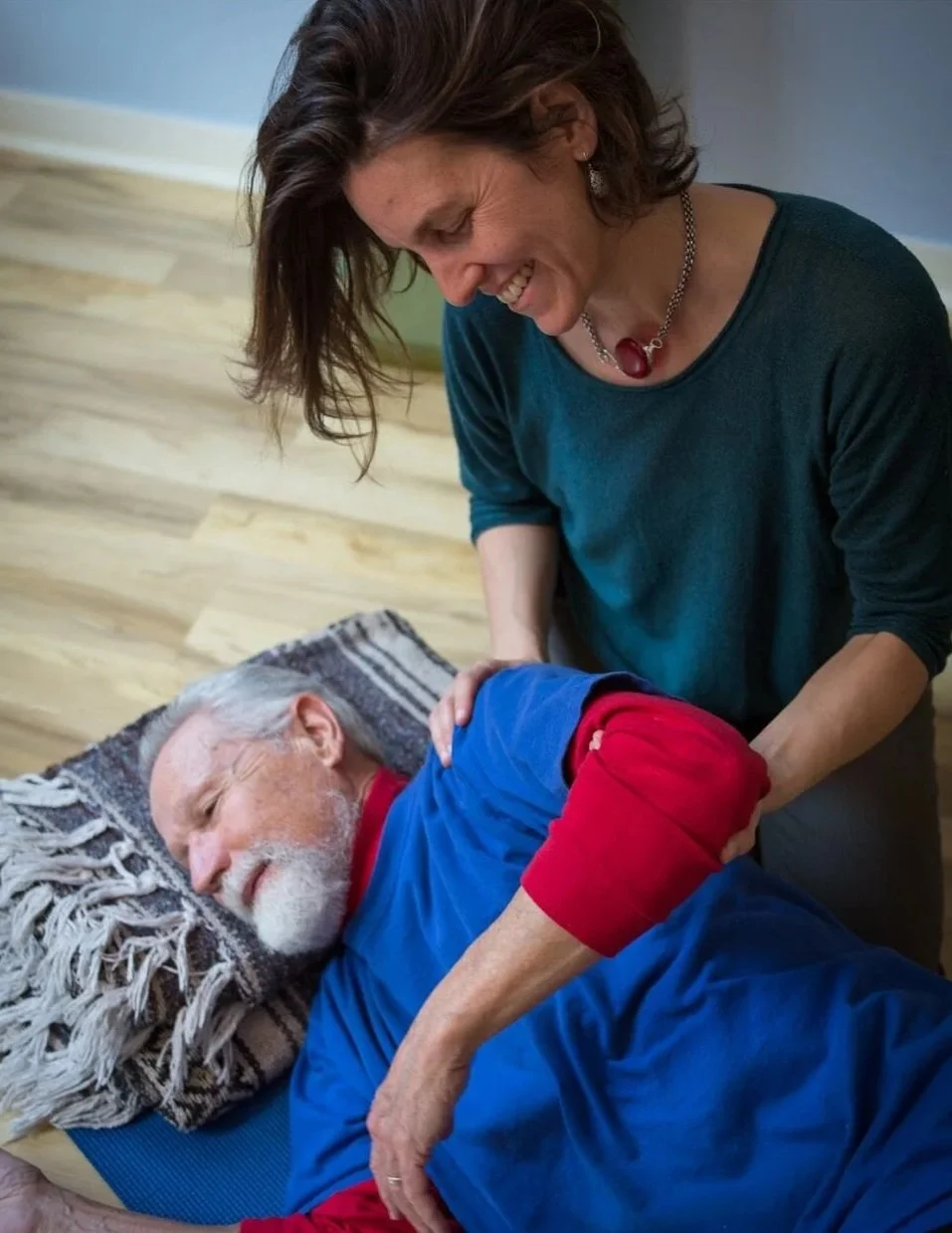
Somatic Bodywork
Therapeutic touch, body awareness education and functional movement that weaves somatic practices, soft tissue work, cranial sacral techniques and more, to create a deeply held space to release and unwind, to strengthen and stabilize, to unfurl and ground into you. Come experience all that somatic bodywork has to offer.

Somatic Movement
Move, breathe and feel better with intentional and functional movement, body awareness and nervous system regulation. From weekly classes, to educational workshops, you’ll Know Your Body Better through these experiential connections with your amazing anatomy. Learn foundational principles you can take with you into your day to day life that improve how you feel and function.
Frequently Asked Questions:
-
Somatics is a deep tuning in to the internal experience of oneself. Through a melding of movement and hands on modalities, Amy offers a unique approach that meets each person in the way that best serves them.
Classes and bodywork sessions are a blend of functional movement therapeutic yoga, breath awareness practices, Thomas Hanna inspired Clinical Somatics, Feldenkrais-inspired Sounder Sleep System™ practices, Upledger cranial sacral techniques, with a deep understanding of the nervous system, mindset and kinesthetic awareness practices.
This is the work I offer:
Exploring the interplay of life, body, breath, thoughts, emotions, sensations, experience, conscious and subconscious expectations and how all these layers reside in our bodies and impact our responses.
-
Understanding our bodies and nervous system responses better helps us navigate the every day moments of life and the big, transformational times too.
Just like external circles of support matter, a supportive internal environment matters too. Chronic states of tension and being on alert impact the nervous system, musculoskeletal system, as well as all the systems in the body. This affects stress levels, breathing, movement, how ones lives in their body, and relates to others and the world around them. Learning how to self and co-regulate emotionally, along with addressing movement and daily use patterns in the body are important pieces in our web of life.
Learning how to shift from auto-pilot mode into a more attentive and curious place, enables you to recognize and release tension that is locked in the body that impacts posture, pain, past trauma, habituated movement patterns and years of dis-ease.
Amy’s whole body approach meets all of you. In a safe, trauma informed way.
Chronic pain
Preparing for surgery
Recovery from surgery or injury
Anxiety, stress
Sleep issues
Training for athletics
Complementary with PT, OT, Chiropractic and other medical models of care
Navigating grief, loss, big transitions
Specific body area pain
Improving function for activities you love
PTSD and trauma-responsive support
preparing to conceive, pregnancy, birth prep, postpartum
And more
-
This is a big topic, but to scale it down to something very basic - it’s hard to separate any part of the body from another part - because all of us is so interconnected.
The more I learn, the more I understand how amazing these bodies we live are.
Our brain is constantly sending signals to our body and visa-versa. When I think about the brain compared to the mind - it’s all interconnected as well.
Here’s one example:
Tension patterns in the body can come from a lot of things: repetitive use patterns, injury, illness, emotions and so much more.
Innate reflexes help us respond to experience and life.
Thomas Hanna refers to these reflexes as Red Light, Green Light and Trauma Reflexes.
Our bodies respond instinctively to things, people, experiences in our environment and to our histories.
If the body never learns how to release the muscular tension of these innate reflexes or affects of walking on leg one from being on crutches…compensations happen.
Our body, brain and mind is really smart and will compensate.
Over time Sensory Motor Amnesia (SMA) develops. Think of it as the brain “forgetting” that it’s sending signals to muscles to stay contracted all the time.
By consciously and regularly exploring these reflex patterns and other therapeutic movements and hands on techniques, the body, brain and mind are able to “reset” and experience new possibilities.
-
It can be helpful to understand a practitioners background, to get more of a sense of their work.
You can see where my path started and how I’ve made my way to where I am today HERE
-
I’d love to connect.
Email: info@emergewithamylepage.com